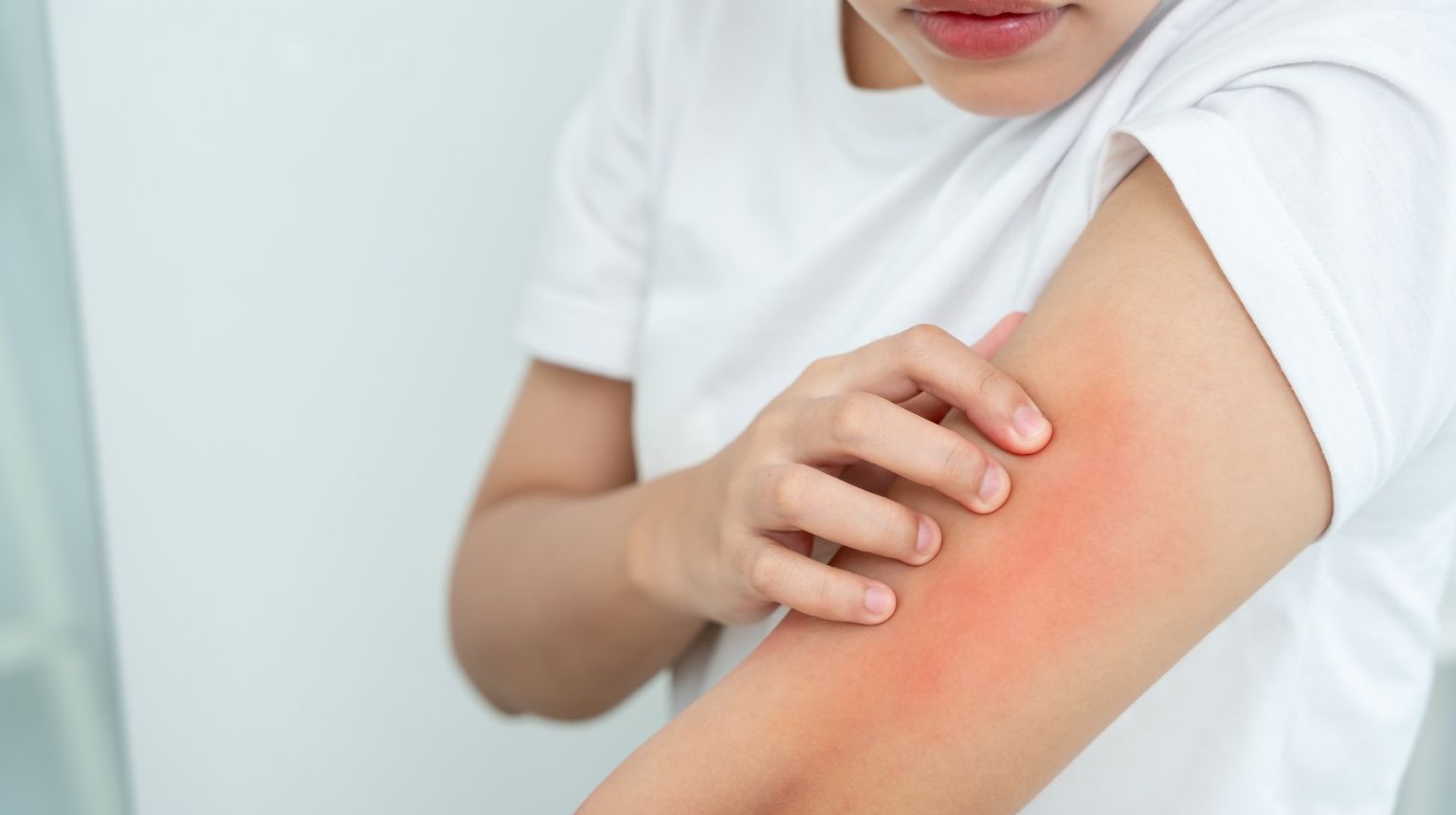
Skin allergies can cause itching, redness, rashes, swelling, and discomfort that interfere with everyday life. Exposure to certain skincare products, cosmetics, soaps, detergents, metals, or environmental allergens may trigger a reaction. Understanding the cause is essential for choosing the right skin allergy treatment and maintaining healthy skin.
What Is a Skin Allergy?
A skin allergy occurs when the immune system reacts to a substance it considers harmful. Common conditions include contact dermatitis, eczema, and hives (urticaria). Symptoms may appear shortly after exposure or develop gradually over several hours or days.
Common signs include:
- Redness, itching, or irritated skin
- Raised bumps, hives, or rashes
- Dryness, scaling, or inflammation
- Swelling or a burning sensation
Persistent or recurring symptoms should be assessed by a qualified healthcare professional because infections and other skin conditions can produce similar signs.
Common Causes of Skin Allergies
Identifying triggers is an important step towards effective treatment. Common causes include fragranced cosmetics, hair dyes, skincare ingredients, household cleaning products, nickel jewellery, certain medications, and exposure to plants. Heat, sweat, and environmental conditions may also aggravate existing skin problems.
Keeping a record of new products, foods, medications, and activities can help identify possible triggers. A healthcare professional may recommend allergy testing, including patch testing, when appropriate.
Effective Skin Allergy Treatment Options
The right treatment depends on the type, severity, and cause of the reaction. A healthcare professional may recommend:
1. Avoiding allergens: Stop using products suspected of causing irritation and avoid confirmed triggers.
2. Medicated creams: Appropriate topical treatments may help reduce inflammation, redness, and itching. Steroid creams should be used only as directed by a healthcare professional.
3. Antihistamines: These medicines may relieve itching and hives in certain cases. Suitability depends on individual circumstances and medical advice.
4. Gentle skincare: Use mild, fragrance-free cleansers and moisturisers to support the skin barrier. Cool compresses may temporarily soothe irritation.
5. Personalised medical assessment: Persistent, widespread, or recurrent reactions may require further evaluation and a tailored treatment plan.
Avoid scratching affected areas, experimenting with multiple products, or applying strong medications without professional guidance.
When Should You Seek Professional Help?
Consult a healthcare professional if your rash persists, spreads, repeatedly returns, becomes painful, develops blisters, or shows signs of infection. Early assessment can help distinguish an allergy from other skin conditions and guide appropriate care.
For personalised guidance on skin concerns, MI Aesthetic Clinic provides skin treatment services tailored to individual needs. If you are experiencing recurring irritation or unexplained skin changes, explore professional skin care options and discuss suitable treatment with a qualified practitioner.
For further information, explore Skin treatment in Mumbai and learn about available approaches to improving skin health. You can also Visit our Clinic for guidance on your skin concerns or Contact Us to enquire about the services available.
Frequently Asked Questions
- What is the best treatment for skin allergies?
The best treatment depends on the trigger and symptoms. Avoiding allergens, moisturising, and using suitable prescribed creams or antihistamines may help manage inflammation and itching.
- How long does a skin allergy take to heal?
Mild reactions may improve within a few days after avoiding the trigger. More severe reactions can take weeks to settle, depending on the cause, treatment, and individual skin condition.
- Can skin allergies be treated permanently?
Some skin allergies resolve when the trigger is avoided, while others may recur with exposure. Long-term management depends on identifying the cause and following an appropriate treatment plan.
- What causes sudden skin allergies?
Sudden reactions may follow exposure to cosmetics, soaps, detergents, medicines, foods, or insect bites. Infections and other skin conditions can look similar, so the cause should be assessed carefully.
- Are skin allergies contagious?
Most skin allergies, including allergic contact dermatitis and hives, are not contagious. However, some infections can resemble allergic rashes, making an accurate diagnosis important before assuming the cause.
- Can home remedies help with skin allergies?
Cool compresses, gentle cleansing, and fragrance-free moisturisers may ease mild irritation. Avoid scratching and unverified remedies, as harsh ingredients can worsen inflammation or trigger additional reactions.
- When should a skin allergy be considered serious?
Seek urgent medical attention for rapidly worsening symptoms, widespread blistering, or painful skin. Swelling of the tongue or throat, breathing difficulty, or faintness requires emergency medical care.